This post answers the question “what are teeth implants” and explains who they help. You’ll learn a simple definition, the main implant types, candidacy factors, a step-by-step look at the process, benefits and risks, a brief timeline and cost overview, and clear next steps for booking a consult in Austin, TX.
What Are Teeth Implants?
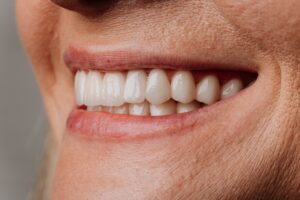
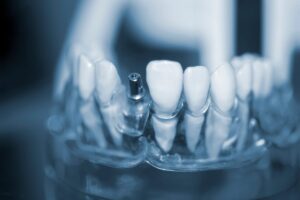
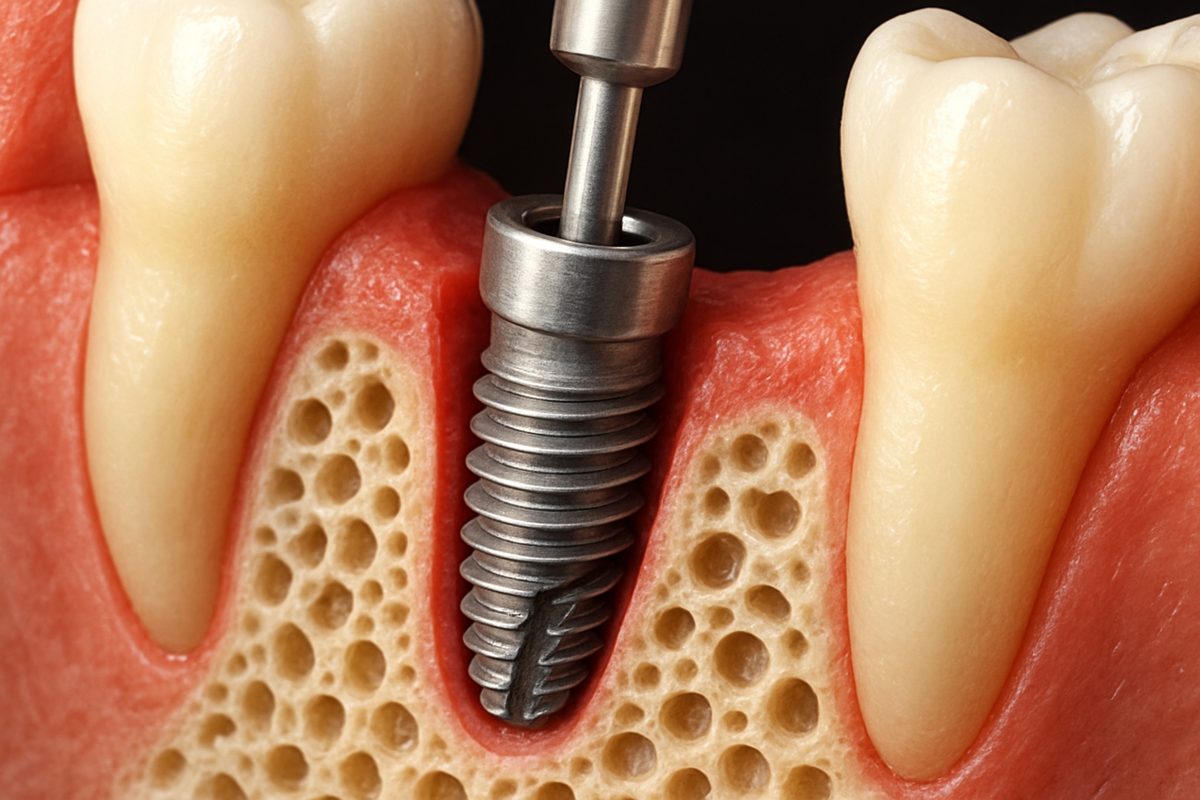
Teeth implants are artificial tooth roots surgically placed into the jaw to hold a crown, bridge, or full prosthesis. The main parts are the implant post (titanium screw), the abutment (connector), and the crown or prosthesis that looks like a natural tooth. If you’re asking “what are teeth implants in Austin, TX,” think of them as permanent replacements that restore chewing, appearance, and bone support.
Types of Dental Implants
Single tooth implants
A single implant replaces one missing tooth with an implant post and a custom crown. It preserves adjacent teeth and feels like a natural tooth.
Implant-supported bridges
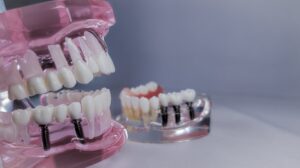
Multiple missing teeth in a row can be replaced with a bridge supported by two or more implants, reducing the number of implants needed.
Full-arch solutions (All‑on‑X)
All‑on‑X is a fixed full-arch prosthetic supported by 4+ implants. It replaces an entire upper or lower jaw with a stable, permanent set of teeth.
Advanced options: zygomatic & pterygoid implants
For severe bone loss, zygomatic or pterygoid implants anchor into denser facial bones, often avoiding the need for bone grafting.
Who Is a Good Candidate?
Good candidates are generally healthy adults with controlled medical conditions and healthy gums. Adequate bone volume or willingness to undergo grafting matters. Smoking, uncontrolled diabetes, or active gum disease raise risks but do not always rule out implants. Candidates range in age from young adults to seniors, evaluated case-by-case.
What to Expect: The Implant Process
Consultation & 3D imaging
A consult includes exam, medical review, and CBCT 3D imaging to map bone, nerves, and sinus anatomy. Digital planning decides implant type and position.
Surgery & healing
The implant is placed under local or sedation. Some patients get immediate temporary teeth; others wait for osseointegration (weeks to months). PRP and careful planning can speed healing and improve outcomes.
Final restoration
After healing, digital impressions and CAD/CAM fabrication produce the final crown, bridge, or full-arch prosthesis. The restoration is fitted for function and appearance.
Benefits and Risks
Benefits include stable chewing, natural look, bone preservation, and long-term durability. Risks include infection, implant failure, nerve irritation, and possible need for grafting. Thorough 3D planning and skilled placement reduce complications.
Timeline and Cost Overview
Timeline runs from a few weeks (simple cases with immediate loading) to several months (grafting or delayed loading). Cost varies by number of implants, grafting, prosthetic type, and technology used. Financing may be available; dental insurance often covers parts of the restorative work but rarely the full implant cost.
Why Choose Union Dental Implant Center
Specialty focus and streamlined care
Union Dental Implant Center in Austin, TX focuses exclusively on implants and full-arch solutions, avoiding outside referrals and speeding treatment. Dr. Carter has over a decade of implant experience and advanced training in All‑on‑X, zygomatic, and pterygoid techniques, personally overseeing care. On-site CBCT, guided surgery, 3D printing, and CAD/CAM milling let the team plan precisely and fabricate restorations faster and more accurately.
How to Learn More or Book a Consultation
Bring a list of current medications, prior dental records or X-rays, and questions like: Am I a candidate? What are my implant options? What is the estimated cost and timeline? Call or book an evaluation to discuss personalized implant options and a clear treatment plan.