Many patients ask “what are fake teeth made out of” because they want to know what will feel, look, and last like natural teeth. This post explains the common materials used for implant posts, crowns, dentures, and full-arch prosthetics; the pros and cons of each; how material choice affects appearance and longevity; safety and allergy concerns; and how modern technology helps pick the right option for your mouth.
Common Materials Used For Fake Teeth
Metals (titanium, titanium alloys)
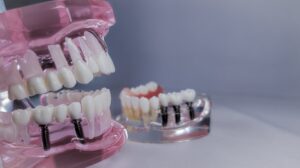
Titanium and its alloys are the standard for implant posts. They are strong, lightweight, and bond directly to bone through osseointegration. Titanium is highly biocompatible, resists corrosion, and supports long-term function, which is why many implants use it as the foundation for crowns and bridges.
Ceramics and Zirconia
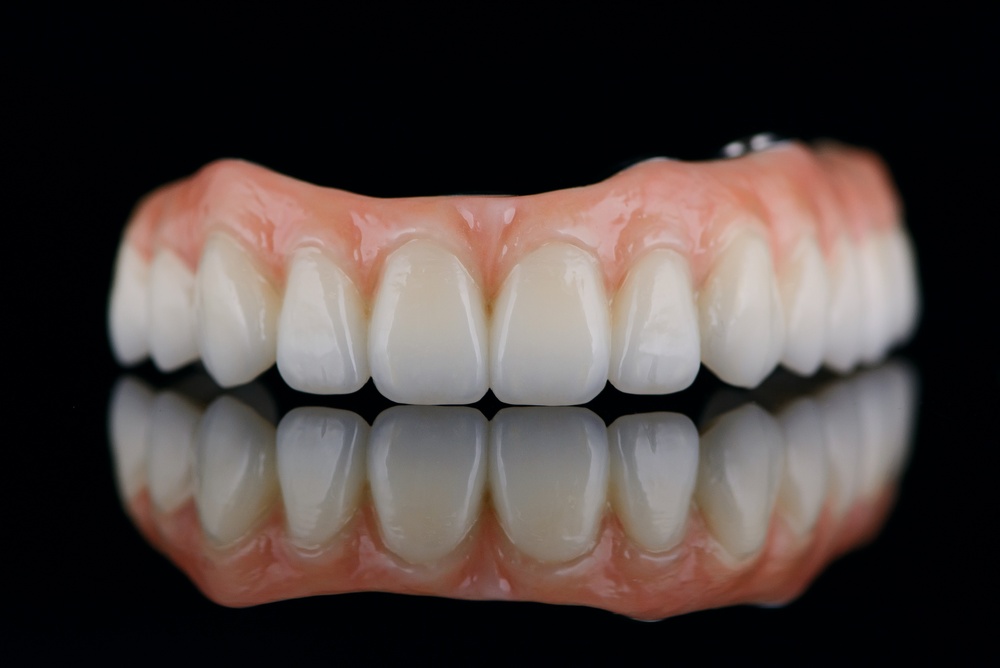
Porcelain and zirconia are common for crowns and full-arch prosthetics. Porcelain offers excellent color match and translucency to mimic natural enamel. Zirconia is extremely strong and stain-resistant, making it a top choice for full-arch restorations and visible front teeth where durability and aesthetics matter.
Acrylics and Composite Resins
Acrylic (PMMA) and composite resins are often used for denture bases, temporary teeth, or economical prosthetic teeth. They are inexpensive, easy to repair, and lighter weight, but they wear faster and stain more easily than ceramic materials.
Metal-Ceramic Hybrids and Precious Alloys
Porcelain-fused-to-metal (PFM) and various dental alloys blend strength with appearance. PFMs use a metal substructure for toughness with a porcelain outer layer for aesthetics. Precious alloys may be used in some bridges for durability and a better metal fit.
How Materials Differ By Type of Replacement
Single Implant Crowns vs. Bridges vs. Full-Arch Prosthetics
Single-tooth crowns often use porcelain or zirconia for a natural look. Implant-supported bridges may combine metal frameworks with ceramic teeth for strength. All-on-X full-arch prosthetics frequently use milled zirconia or layered ceramic over a titanium framework for a durable, lifelike result.
Removable Dentures vs. Fixed Solutions
Removable dentures commonly use acrylic with metal clasps or frameworks to reduce cost and weight. Fixed implant prostheses favor zirconia or high-strength ceramics for permanence, better chewing function, and a more natural appearance.
Appearance, Durability, and Longevity
Material choice affects color match, translucency, and fracture resistance. Ceramics and zirconia provide the best aesthetics and color stability. With good care, ceramic crowns and zirconia prosthetics can last 10–20+ years. Acrylic options typically need replacement sooner.
Safety, Allergies, And Biocompatibility
Most patients tolerate titanium and dental ceramics well. Metal allergies are rare but possible; those with known metal sensitivities may be tested or steered to zirconia solutions. Corrosion is uncommon with modern alloys and proper design.
Maintenance Needs By Material
Ceramics need routine hygiene and occasional polish or repair. Acrylic may require relines or replacements and is more prone to wear. All prosthetics need regular dental checkups and cleanings to extend lifespan.
How Modern Technology Affects Material Selection
Digital tools—CBCT, CAD/CAM milling, and 3D printing—allow precise fits and help choose materials that match a patient’s bone, bite, and aesthetic goals. Custom milling produces stronger, better-fitting zirconia and ceramic restorations.
Why Material Choice Matters—and How a Specialist Helps
Choosing the right material balances strength, looks, and your health. Specialists evaluate bone, bite, and smile goals to recommend the best option. At Union Dental Implant Center, Dr. Adam Carter uses CBCT, digital design, and an on-site lab to tailor material choices for long-term success.
Quick FAQs / Closing Guidance
Is zirconia better than porcelain? Zirconia is stronger and more stain-resistant; porcelain can offer slightly better translucency for some front teeth. Do implants contain metal? The implant posts are usually titanium; crowns or bridges can be ceramic, zirconia, or metal-ceramic. How long will fake teeth last? With good care, high-quality crowns and implant prosthetics often last 10–20+ years. For a personalized plan about what are fake teeth made out of in Austin, TX and which materials fit your needs, schedule a consult with Union Dental Implant Center.