The implant tooth process can feel overwhelming, but this article breaks it into clear steps so you know what to expect from the first visit to your final tooth. You’ll learn the main stages—consultation, imaging, surgery, healing, and restoration—what each visit involves, common recovery tips, and when extra care may be needed. Read on for a simple roadmap of the implant tooth process and practical advice to help you prepare.
What the Implant Tooth Process Entails
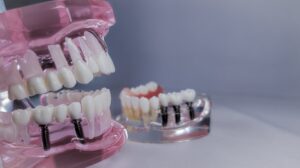
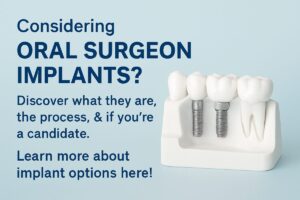
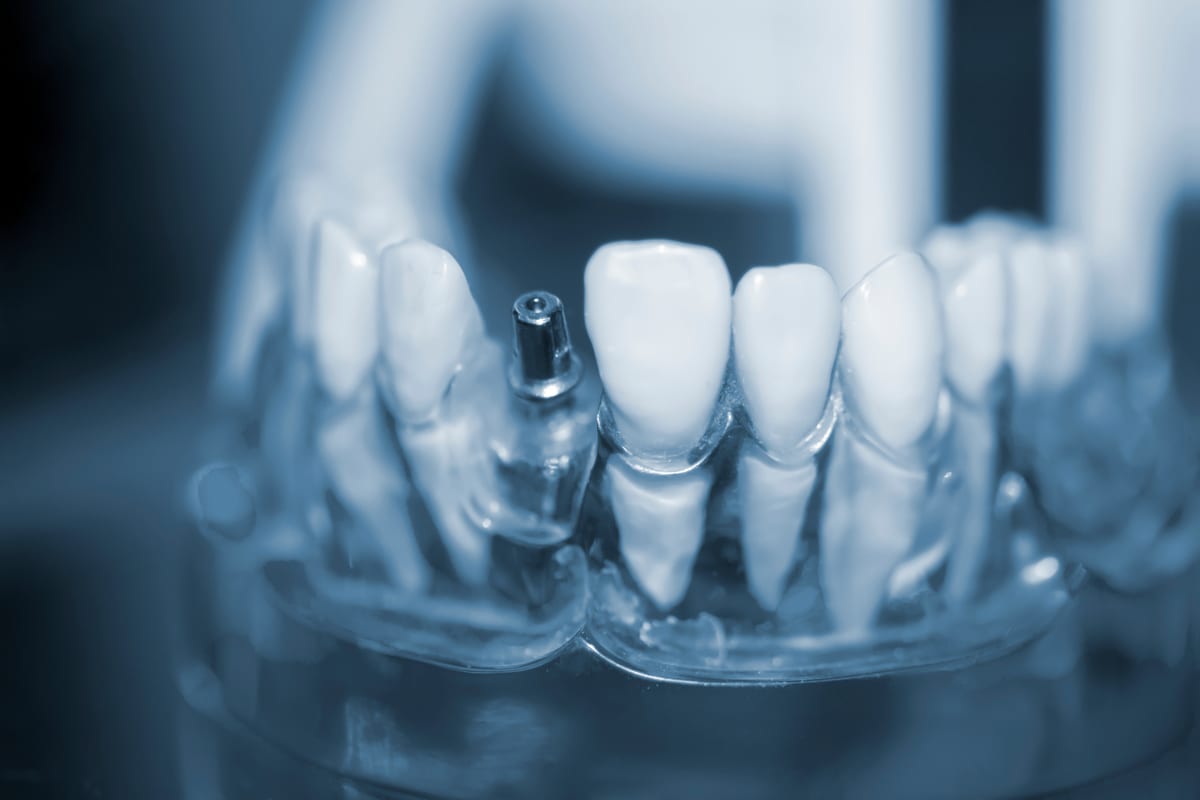
The journey starts with a consult and ends with a fixed crown or bridge on an implant. An implant is a titanium post placed in the jawbone. An abutment connects the implant to the crown, which is the visible tooth. Time varies: single-tooth cases may take a few months, while full-arch restorations can take longer. Expect several visits for planning, surgery, checks, and final restoration.
Step 1 — Consultation and Health Review
The first visit includes an exam, X-rays, medical and dental history, and a discussion of your goals. The dentist checks bone and gum health and reviews medications that affect healing. You’ll learn if you’re a candidate and whether grafting or extra treatments are needed. Typical pre-op advice includes stopping certain blood thinners, arranging transportation if using sedation, and following fasting rules if required.
Step 2 — Imaging and Digital Treatment Planning
CBCT 3D scans map bone, nerves, and sinuses. Digital impressions capture your bite and tooth positions. These tools let the team plan implant size and exact placement virtually. A guided surgical plan reduces surprises, improves safety, and often shortens chair time. Digital planning also helps design the final tooth for better fit and appearance.
Step 3 — Surgery: Implant Placement
Surgery usually takes one visit. Sedation options range from local numbness to IV sedation for comfort. Guided surgery uses a custom guide for precise implant placement; freehand is also used when appropriate. You may feel pressure but not pain during the procedure. Some cases allow immediate temporary teeth; others need time before any load is placed on the implant.
Step 4 — Healing & Osseointegration
Osseointegration is when bone fuses to the implant. This takes weeks to months depending on health and location. Follow-up checks monitor healing and tissue health. Temporary teeth can help aesthetics during this phase but may be limited in function. Normal signs include mild swelling and gradual comfort improvement; persistent pain or heavy bleeding should prompt a call.
Step 5 — Restoring the Tooth: Abutment & Crown
Once integrated, the abutment is attached and impressions or photogrammetry capture exact positions for the final crown or bridge. Digital workflows and in-house milling speed this step and improve fit. Your final prosthetic is adjusted for bite, color, and shape so it looks and functions like a natural tooth.
What To Expect Day-to-Day: Recovery, Diet, and Pain Control
Expect swelling and mild discomfort the first 48–72 hours. Use ice, rest, and prescribed or OTC pain meds as directed. Eat soft foods for several days and avoid chewing on the surgical side until cleared. Keep the area clean with gentle rinses and soft brushing. Call the office for fever, severe pain, or signs of infection. For detailed recovery instructions, please refer to our post-op guide.
Common Complications, Who May Need Extra Care, and FAQs
Some patients need bone grafts or sinus lifts if bone is thin. Smokers, uncontrolled diabetics, and those on certain medications have higher risks and may need tailored plans. Implant failure is uncommon but can occur; signs include persistent mobility or infection. Success rates are high with proper care; restorations can last many years with good oral hygiene and regular checkups. For more questions, visit our FAQs section.
Why Choose Union Dental Implant Center & The Team
Union Dental Implant Center in Austin, TX, combines 3D imaging, guided surgery, PRP options, and an on-site digital lab to streamline care. Dr. Adam Carter leads the team with over a decade of implant experience, offering advanced training in full-arch restorations and digital prosthetics. This integrated approach speeds treatment and improves precision while keeping care personalized.
How to Start the Implant Tooth Process
To begin the implant tooth process in Austin, TX, book a consult and bring a list of current medications and prior dental records or X-rays if you have them. Your first visit covers the exam, scans, treatment options, costs, and timeline. If you’re ready, call to schedule a consultation and get a clear plan for your new tooth.