
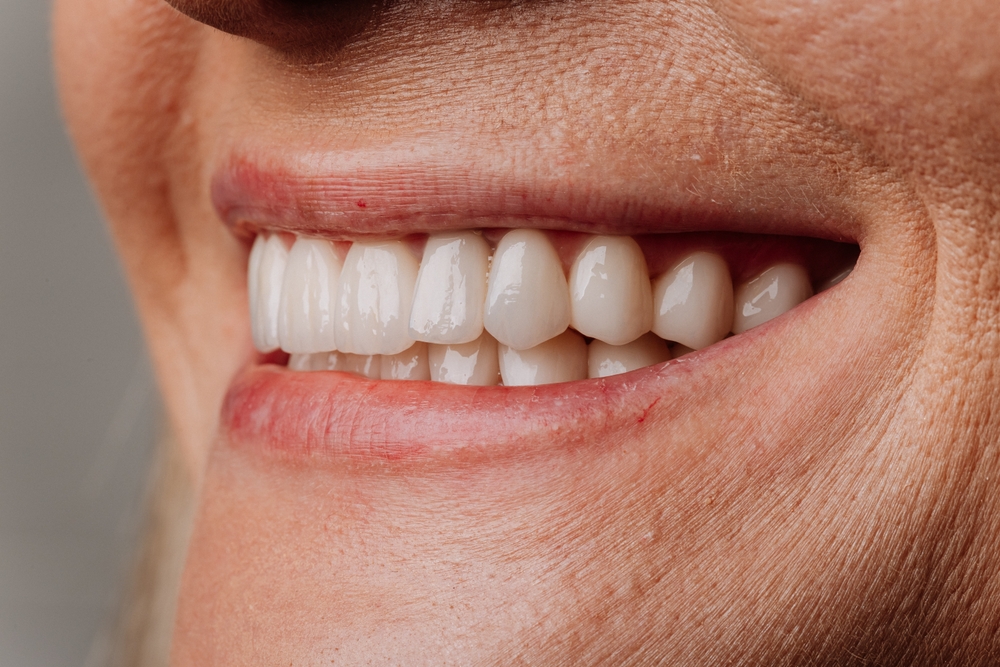
Understanding the different types of teeth implants helps you pick the best long-term option for replacing missing teeth. This overview explains the main implant styles, how they work, who they suit, and what to expect so you can ask the right questions at your consultation.
What Are Dental Implants?
Dental implants are artificial tooth roots—usually titanium posts—placed into the jaw to hold a crown, bridge, or denture. A typical implant system has three parts: the implant (root), an abutment (connector), and the prosthesis (crown or denture). Implants restore chewing, speech, and appearance by mimicking natural teeth and preserving jawbone.
Common Types Of Teeth Implants
Endosteal (root-form) implants
These are the most common implants. They act like natural roots and support single crowns, implant bridges, or multiple teeth. Ideal for patients with healthy jawbone who need one or several teeth replaced.
Mini dental implants
Mini implants are narrower posts used for tight spaces or to stabilize lower dentures. They’re less invasive and often faster to place, but they have limitations for heavy chewing forces and long-span restorations.
Subperiosteal implants
Placed on top of the jawbone but under the gum, subperiosteal implants suit patients with severe bone loss who cannot or do not want bone grafting. They’re less common today but remain an option in select cases.
Implant-supported overdentures
Overdentures are removable dentures that snap onto 2–4 implants. They offer much better stability and comfort than conventional dentures and are a cost-effective way to improve function.
All-on-4 / All-on-X full-arch restorations
All-on-4 or All-on-X use fewer strategically placed implants to support a fixed full-arch prosthesis. They provide fixed teeth with fewer implants and can often be completed faster than placing individual implants for every tooth.
Zygomatic & pterygoid implants
These advanced implants anchor into the cheekbone (zygoma) or posterior facial bones when the upper jaw lacks adequate bone. They avoid or reduce the need for extensive bone grafting and are used in complex full-arch cases.
Zygomatic & pterygoid implants anchor into the cheekbone (zygoma) or posterior facial bones when the upper jaw lacks adequate bone. They avoid or reduce the need for extensive bone grafting and are used in complex full-arch cases.
Immediate (same-day) vs delayed implants
Immediate implants are placed and sometimes loaded with a temporary tooth the same day. They shorten treatment time but need good initial stability. Delayed placement waits for healing and may be safer when infection, poor bone, or heavy biting forces are concerns.
How To Choose The Right Type
Choice depends on bone quantity and quality, overall health, smoking status, desired outcome (fixed vs removable), budget, and timeline. Imaging like CBCT and a specialist consult are essential to match anatomy and goals to the right implant type. For tailored advice, ask about options and alternatives during planning.
Pros, Cons, Longevity, And Costs (High-Level)
Most implants have high success rates and can last decades with good care. Simpler implants (endosteal single crowns) tend to be less costly per tooth than full-arch or advanced zygomatic solutions. Mini implants and overdentures lower upfront costs but may require more maintenance. More complex options offer better long-term function for severe cases.
What To Expect During Treatment
Typical steps: consultation and CBCT imaging, digital treatment planning, guided implant placement, healing/integration (osseointegration), and final prosthetic delivery. Recovery usually involves mild swelling and a few days of soreness. Regular follow-ups ensure healing and prosthetic fit.
Why Choose A Specialized Implant Center
Union Dental Implant Center, led by Dr. Adam Carter, focuses exclusively on advanced implant dentistry and full-arch restoration. The center uses CBCT, guided surgery, an on-site lab, and 3D printing to streamline care from imaging to final prosthetic—helping patients get precise, personalized results with fewer referrals and faster timelines.
Questions To Ask At Your Implant Consultation
– Which of the different types of teeth implants in Austin, TX is best for my case? – Do you use CBCT and guided surgery? – What is your experience with this specific implant procedure? – What are the risks, alternatives, and expected timeline? – Will work be done in-house or require referrals?
Next Steps / Call To Action
To find which of the different types of teeth implants in Austin, TX fits you, schedule a consult with imaging and a personalized plan. Contact the practice to arrange a CBCT scan and speak with the team about your goals and options.