If you’re weighing options for replacing missing teeth, this post explains what oral surgeon implants are and whether they might be right for you. It’s for adults who want a long-term, natural-looking tooth replacement and for anyone facing complex cases like severe bone loss or full-arch restoration. You’ll learn what oral surgeon implants are, how they’re planned and placed, who makes a good candidate, benefits and risks, and what to ask at a consultation so you can choose care with confidence.
What are oral surgeon implants?
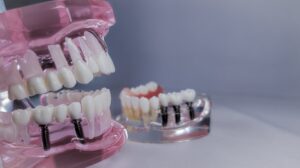
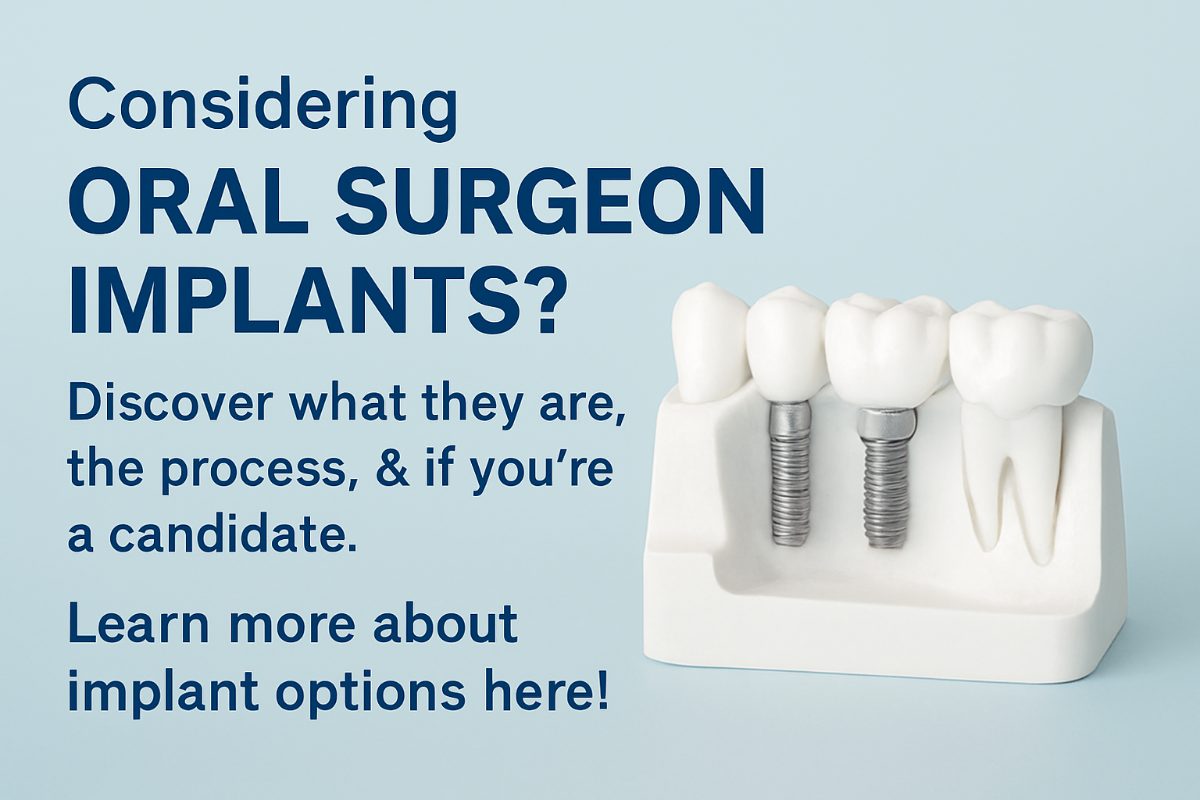
Oral surgeon implants are dental implants placed by surgeons who focus on complex surgical cases. Common types include a single implant with a crown, implant-supported bridges, full-arch solutions like All-on-X, and specialized options such as zygomatic or pterygoid implants for severe bone loss. Each implant has three parts: the implant fixture (titanium post in bone), the abutment (connector), and the prosthetic (crown, bridge, or denture). Many patients search for oral surgeon implants in Austin, TX when they need advanced or full-arch care.
How oral surgeon implants are planned and placed
Initial evaluation and imaging
Planning starts with a medical and dental history, exam, and CBCT 3D scan to map bone, nerves, and sinuses. Digital impressions and photos let the team design teeth that match your smile and bite. This digital workflow reduces surprises and improves safety, especially for complex placements. If you’re local, ask about oral surgeon implants in Austin, TX and whether the practice uses CBCT and guided planning.
The surgical and restoration steps
Surgery often uses guided templates to place implants precisely. The surgeon inserts fixtures, then allows weeks to months for osseointegration (bone bonding). After healing, an abutment is attached and the final prosthetic is fitted. Some patients can receive temporary teeth the same day for function and appearance while final restorations are made.
Are oral surgeon implants different from implants placed by other providers?
Oral surgeons typically have advanced surgical training to handle complex anatomy and procedures like zygomatic implants or bone reconstruction. General dentists can place routine single implants and simple bridges, but may refer complex All-on-X or severe bone-loss cases to a specialist. If your case involves limited bone, sinus lifts, or advanced full-arch restoration, a specialist is often the safer choice.
Who is a good candidate for oral surgeon implants?
Good candidates are missing one or more teeth, are healthy enough for surgery, and want a durable solution. Sufficient bone is ideal, but specialists offer options—like zygomatic or pterygoid implants—that can avoid grafting for people with severe bone loss. Non-smokers do best, but smokers willing to quit and people with controlled medical conditions may still qualify after evaluation.
Benefits and risks of oral surgeon implants
Benefits include improved chewing, speech, bone preservation, durability, and a natural look. Risks include infection, healing problems, implant failure, and cost. Experienced planning and technology lower these risks by improving accuracy and predictability.
Typical recovery and aftercare
Expect swelling and mild pain for a few days, soft-food diet, and follow-up visits. Full bone integration can take a few months. Good oral hygiene and regular dental care help long-term success. Sedation options are available for comfort during surgery.
How to decide if oral surgeon implants are right for you
Ask about the clinician’s experience with All-on-X and advanced implants, use of CBCT and guided surgery, in-house lab capabilities, success rates, and financing. Digital planning and guided surgery improve predictability, so look for practices that use those tools.
Why consider a specialized implant center like Union Dental Implant Center
Union Dental Implant Center, led by Dr. Adam Carter, focuses exclusively on advanced implant dentistry and full-arch restoration. They offer CBCT imaging, guided surgery, an on-site digital lab and 3D printing, plus advanced options like All-on-X, zygomatic, and pterygoid implants. These capabilities streamline care and help produce predictable, personalized results for complex cases.
Next steps
Schedule a consultation for a personalized implant assessment and CBCT imaging to see if oral surgeon implants in Austin, TX are right for you. A clear plan and thorough evaluation will show your options and likely outcomes.