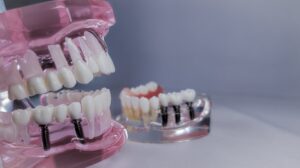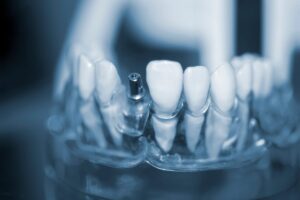

This post walks you through clear, easy-to-follow steps for a dental implant so you know what to expect at each phase. Whether you’re replacing one tooth or planning a full-arch restoration, understanding the timeline, tests, and healing makes the process less stressful. Read on to learn the typical sequence, common prep work, recovery notes, and what can change your plan — including steps for a dental implant in Austin, TX.
Why choose dental implants?
Dental implants replace the root and the tooth, giving durable function and a natural look. They feel and chew more like real teeth than bridges or dentures and help preserve jaw bone. Typical candidates are adults with good overall health and enough bone or those willing to have grafting. Knowing the steps for a dental implant helps you plan time, cost, and recovery.
Step 1: Consultation, medical review, and 3D imaging
Your first visit covers health history, a dental exam, and a CBCT 3D scan. The dentist reviews medications, smoking, and medical conditions that affect healing. The 3D images let the team see bone volume, nerve paths, and sinus locations to plan safe implant placement and timing.
What the scan shows and why it matters
The CBCT scan reveals bone height and width, nerve positions, and sinus anatomy. If bone is thin, the scan shows where grafting or special implant angles are needed. This reduces surprises during surgery.
Step 2: Customized treatment planning and guided surgical design
Using digital planning software, the team maps exact implant positions and creates a surgical guide. Prosthetic needs are considered early so the implant supports the final tooth correctly. Guided planning increases precision and often shortens chair time on surgery day.
Step 3: Preparatory procedures (extractions, bone grafts, PRP)
Some patients need tooth extractions, bone grafts, or soft tissue work before implants. Bone grafts build a strong foundation if bone is lacking. Platelet-rich plasma (PRP) can be used to speed healing. Preparatory work may add weeks to months to the overall timeline.
Step 4: Implant placement surgery and immediate care
On surgery day you’ll get local anesthesia plus sedation if chosen. Guided implant placement follows the digital plan. Temporary teeth may be placed that same day for appearance and function when appropriate. After surgery, follow instructions for pain control, swelling, and activity to support healing.
Recovery expectations first 1–2 weeks
Expect mild to moderate swelling and soreness that peaks in 48–72 hours. Eat soft foods, avoid smoking, and keep the area clean with gentle rinses. A follow-up visit checks healing and any sutures.
Step 5: Healing, osseointegration, and final restoration
Implants fuse to bone in a process called osseointegration, which can take several weeks to months depending on location and health. After sufficient healing, an abutment is placed and digital impressions or photogrammetry capture exact bite relationships. The final crown, bridge, or full-arch prosthesis is then delivered and adjusted.
What affects the timeline and cost of the steps for a dental implant
Major factors include number of implants, need for grafting, overall health and smoking status, and type of final restoration (single crown versus All-on-X). Using an in-house digital lab and guided workflows can shorten delivery time and may affect cost.
Aftercare and long-term maintenance
Brush and floss daily, use interdental brushes around implants, and attend routine checkups. Avoid smoking and hard or sticky foods that stress restorations. Report persistent pain, mobility, or swelling to your dentist promptly to protect implant longevity.
About Union Dental Implant Center & Dr. Adam Carter
Union Dental Implant Center in Austin, TX is focused exclusively on advanced implant care and full-arch restorations. Dr. Adam Carter has over a decade of implant experience and oversees CBCT planning, guided surgery, and an on-site digital lab that speeds treatment and improves fit. The team offers sedation, PRP, and advanced implant options for complex cases.
How to get started
To learn your personalized timeline and costs, schedule a consultation. A 3D scan and medical review will define the specific steps for a dental implant in Austin, TX and give you a clear plan for treatment and recovery.